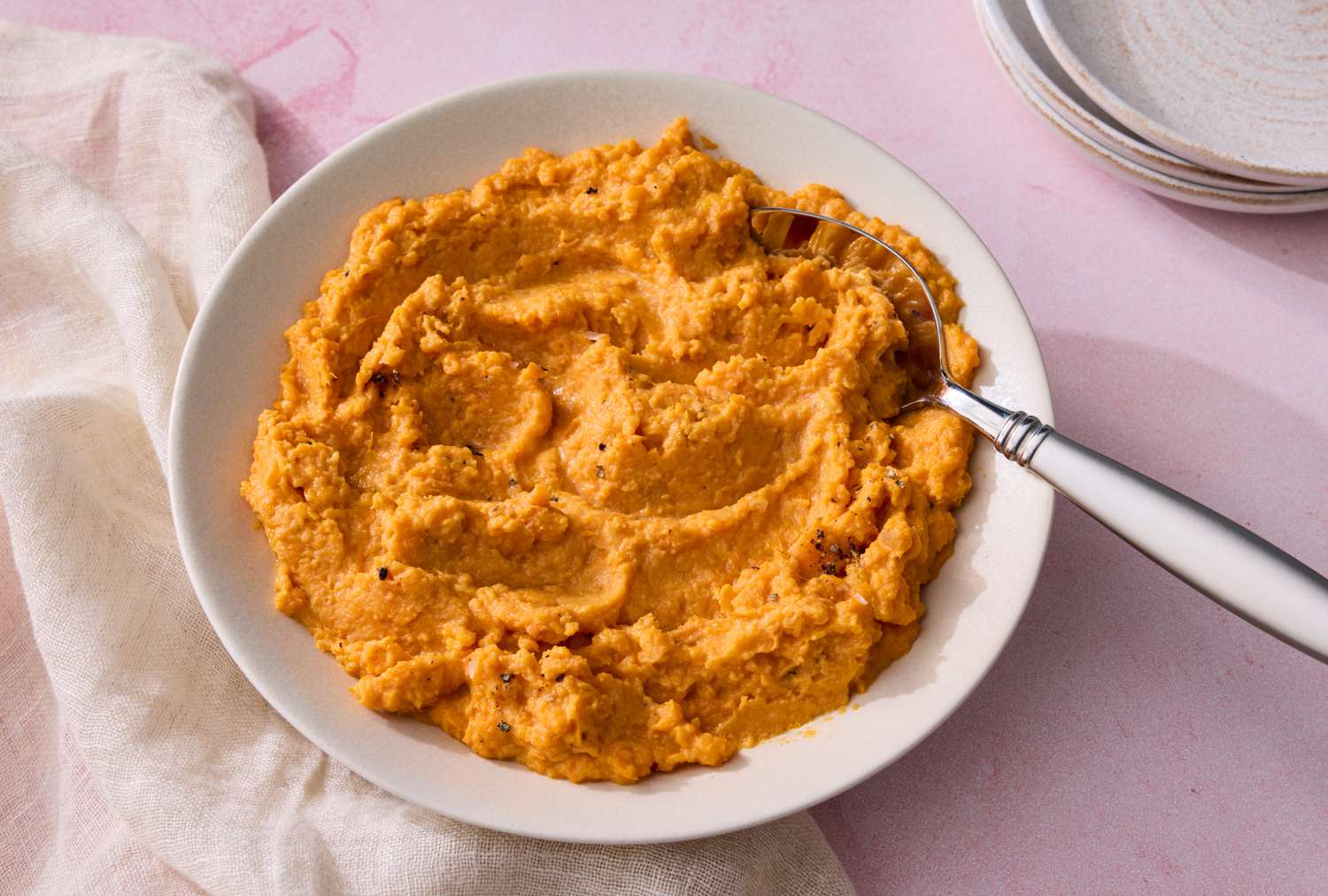
Steamed vs. Boiled: The Secret to Flavorful Mashed Sweet Potatoes
Mashed sweet potatoes hold a cherished spot on dinner tables, especially as the leaves turn and holiday seasons approach. This vibrant, comforting side dish, known for its subtly sweet flavor and creamy texture, can elevate everything from a casual weeknight meal to the grandest festive feast. While many home cooks instinctively reach for a pot of boiling water to prepare their sweet potatoes, there's a lesser-known technique that promises a profoundly more flavorful and superior mash: steaming. The choice between steaming and boiling isn't just a minor technicality; it's the secret to unlocking the true potential of your
mashed sweet potatoes, transforming them from merely good to truly unforgettable.
The Timeless Appeal of Mashed Sweet Potatoes
For generations,
mashed sweet potatoes have been synonymous with warmth, comfort, and delicious simplicity. Their natural sweetness, often enhanced by butter and a touch of dairy, makes them a versatile companion to a wide array of entrées. Whether paired with roast turkey, glazed ham, or a simple chicken dinner, this side dish consistently delivers a satisfying and delightful experience.
Traditionally, preparing the sweet potatoes for mashing often involves peeling, cubing, and submerging them in boiling water until tender. This method is straightforward and effective in softening the root vegetable. However, while boiling gets the job done, it inadvertently introduces a significant challenge: waterlogged potatoes. As sweet potatoes boil, they absorb excess water, diluting their natural sugars and distinct flavor. This can lead to a less intense taste and a watery, less creamy consistency in the final mash, often requiring more butter, sugar, or other ingredients to compensate for the lost essence. It's a common pitfall that can prevent your otherwise perfect mashed sweet potatoes from reaching their full potential.
Steamed vs. Boiled: Unlocking the Ultimate Flavor for Your Mashed Sweet Potatoes
The fundamental difference between steaming and boiling lies in how the sweet potatoes cook and interact with moisture. Boiling, as discussed, saturates the potatoes with water. This isn't ideal for a mash, where concentrated flavor and a rich, creamy texture are paramount. The absorbed water dulls the natural sweetness and can make achieving that velvety smoothness a challenge without adding excessive fats or liquids.
Steaming, on the other hand, is a gentle cooking method that uses hot vapor to cook the sweet potatoes without direct immersion in water. This process preserves their inherent flavor and keeps them from absorbing unnecessary moisture. When sweet potatoes are steamed, their natural sugars and vibrant essence remain intact, resulting in a deeper, more robust, and intensely sweet taste. The cooked flesh is drier, making it incredibly receptive to the rich additions like butter, cream, or milk, leading to a genuinely creamy and luxurious mash that truly sings with flavor. The difference in taste and texture is so significant that once you try steamed
mashed sweet potatoes, you'll likely never go back to boiling. The inherent quality of the sweet potato shines through, making for an extra delicious dish.
Seamless Steaming: No Steamer? No Problem!
Don't have a dedicated steamer basket or fancy equipment? No worries! Achieving perfectly steamed sweet potatoes is incredibly simple, even with basic kitchen tools.
*
The Plate and Foil Method: This ingenious hack creates an improvised steamer within any pot. Roll a few pieces of aluminum foil into golf-ball-sized spheres. Place these foil balls in the bottom of a large pot, then add about half an inch of water. Set a heatproof plate on top of the foil balls, ensuring the plate sits above the water level. Arrange your peeled and cubed sweet potatoes on the plate. Bring the water to a simmer, cover the pot tightly, and steam until the potatoes are fork-tender. This usually takes 15-25 minutes, depending on the size of your potato chunks.
*
The Microwave Method: For a quick and easy solution, the microwave can also do the trick. Place your cubed sweet potatoes in a microwave-safe bowl with a couple of tablespoons of water. Cover the bowl with a lid or microwave-safe plastic wrap, leaving a small vent. Microwave on high for 5 to 7 minutes, or until the potatoes are completely tender when pierced with a fork. Stir halfway through for even cooking.
No matter which method you choose, the goal is the same: tender sweet potatoes that are full of flavor and free from excess water, ready to be transformed into the most delightful mash.
Crafting Your Perfect Mashed Sweet Potatoes: Beyond the Steam
Once you've mastered the steaming technique, the next step is to infuse your sweet potatoes with complementary flavors and textures. The beauty of
mashed sweet potatoes lies in their adaptability, allowing you to tailor them to your precise taste preferences.
Choosing Your Sweet Potatoes
Not all sweet potatoes are created equal, especially when it comes to mashing. Most varieties found in grocery stores are the Beauregard, identifiable by their reddish skins and orange flesh. They offer a straightforward sweetness and cook up slightly stringy, yet they work perfectly well. However, if you're seeking a superior flavor and texture, keep an eye out for Garnet sweet potatoes. These have dark orangey-red skins and boast a richer, more complex sweetness that truly shines in a mash. Regardless of variety, always choose firm, unblemished sweet potatoes for the best results.
The Creamy Conundrum: Dairy Choices
The liquid you incorporate significantly impacts the richness and creaminess of your mash.
*
Half-and-half: For an incredibly rich flavor and luxurious mouthfeel, half-and-half is an excellent choice. Its higher fat content contributes to a truly decadent texture.
*
Whole Milk or Light Cream: If you prefer a slightly lighter mash without sacrificing too much creaminess, whole milk or light cream are fantastic alternatives. They still provide a silky texture and good flavor.
*
Coconut Milk: For a dairy-free option or a subtle tropical twist, full-fat coconut milk is a wonderful substitute. It adds a unique creaminess and a delicate sweetness that pairs surprisingly well with the sweet potatoes.
Always warm your chosen dairy mixture with butter and any sweeteners before adding it to the hot sweet potatoes. This helps the ingredients incorporate smoothly and keeps the mash warm.
The Butter Factor and Sweetness Scale
A few tablespoons of good quality butter are essential for adding silkiness and an irresistible richness to your mash. To truly "gild the lily," consider adding an extra pat of butter on top just before serving, allowing it to melt into a luscious pool.
When it comes to sweetness, you have plenty of room to play:
*
Light Brown Sugar: A touch of light brown sugar enhances the sweet potatoes' natural sugars, deepening their flavor without overpowering them.
*
Dark Brown Sugar: For a more profound, molasses-like sweetness and a darker hue, opt for dark brown sugar.
*
Maple Syrup: From a simple holiday recipe, maple syrup provides a classic, autumnal flavor that marries perfectly with sweet potatoes.
*
Honey or Agave: These natural sweeteners offer alternative flavor profiles and can be adjusted to taste.
*
Savory Mash: For a less sweet or more savory dish, you can reduce or omit the sugar altogether and focus on spices like black pepper, a pinch of cayenne, or fresh herbs.
The Secret Spice: Toasted Coriander Seeds (and More!)
For an elegant touch that elevates your
mashed sweet potatoes beyond the ordinary, consider a sprinkling of lightly crushed toasted coriander seeds. Their bright, earthy, and subtly citrusy notes add a layer of complexity that is both unexpected and utterly delightful, making for a truly special presentation, especially for holidays.
Beyond coriander, feel free to experiment with other warm spices like cinnamon, nutmeg, a hint of allspice, or even a touch of orange zest for brightness. For a more adventurous palate, a tiny pinch of smoked paprika or cayenne pepper can add a wonderful depth and kick.
Tips for a Seamless Mashed Sweet Potato Experience
Mastering the art of
mashed sweet potatoes is within reach, and with a few additional tips, you can ensure a perfect batch every time.
Making Ahead and Reheating
Life can get busy, especially around holidays. The good news is that
mashed sweet potatoes can be made ahead of time, typically up to two days in advance. Store them in an airtight container in the refrigerator. When ready to serve, gently reheat them on the stovetop over low heat or in the microwave. To restore their creamy consistency, you might need to stir in a splash of warm milk, half-and-half, or even a bit of vegetable broth as they warm up.
Serving Suggestions
These versatile mashed sweet potatoes make an excellent side dish for almost any meal. Beyond their traditional role on the holiday table alongside turkey, ham, or roast beef, they pair beautifully with:
* Grilled chicken or pork chops for a weeknight dinner.
* Seared fish or scallops for a more refined meal.
* Vegetarian main courses like lentil loaf or stuffed bell peppers.
Their comforting sweetness provides a lovely counterpoint to savory proteins and greens. For more inspiration on transforming this humble side dish into a holiday showstopper, check out our guide on
Elevate Your Holiday Table: Easy, Creamy Mashed Sweet Potatoes. To delve deeper into maximizing the taste and texture of your mash, don't miss our article on
Unlock Richer Flavor: Essential Tips for Mashed Sweet Potatoes.
In conclusion, the journey to truly spectacular
mashed sweet potatoes begins not with a boil, but with a gentle steam. This simple switch in cooking method preserves the natural essence of the sweet potato, leading to a deeper, more robust flavor and a superior, non-watery texture. Paired with thoughtfully chosen dairy, sweeteners, and perhaps a dash of unexpected spice like coriander, your mashed sweet potatoes will not only be deliciously simple but also wonderfully creamy, comforting, and elegant – a dish you’ll undoubtedly come back to again and again. So next time you're craving this autumn favorite, opt for the steam, and taste the difference!